
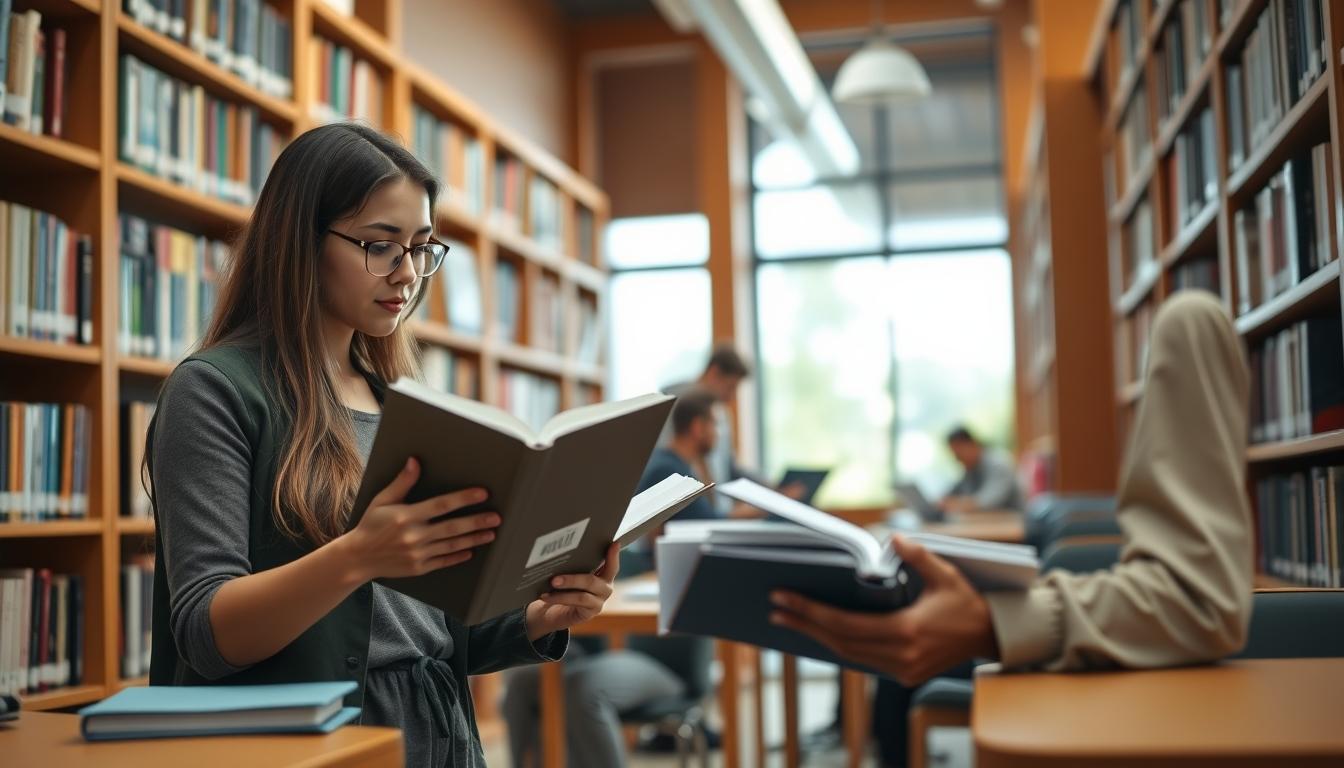
The Importance of Skill Development in Education
Developing skills plays a crucial role in education since students require more than just content mastery to thrive. They gain from practical capabilities like effective communication, managing time, analytical thinking, teamwork, and problem solving. These competencies boost academic performance and equip learners for upcoming career chances.
Within United States, learners typically acquire these abilities through a mix of classroom instruction, self-directed study, project work, and hands-on practice. This balanced method fosters scholastic success while making students more flexible and self-assured across varied contexts.
Developing skills enhances a learner's capacity to use what they know in real-life settings, rendering education more tangible, meaningful, and worthwhile over time.
VaxelornIdiaQum Education InsightCore Skills That Support Student Success
Certain abilities prove beneficial across nearly all subjects and learning contexts. Clear communication enables students to share ideas effectively, and good organization helps handle tasks, due dates, and study patterns. Critical thinking aids analysis, assessment, and sound judgments when handling new information.
Teamwork is becoming more vital in today’s schooling. Cooperative tasks, conversations, and joint projects teach students to listen, participate, and tackle problems collectively. These experiences bolster both academic progress and personal development.
How Students Build Skills Over Time
Developing skills typically unfolds gradually. Learners advance through regular practice, thoughtful reflection, and steady application across various learning settings. Coursework, presentations, solo tasks, and organized feedback all foster stronger capabilities over time.
When students establish specific objectives and monitor their progress, they tend to recognize their strengths and the aspects they'd like to enhance. This self-awareness fuels motivation and encourages learners to take more ownership of their growth.

Practical Ways to Strengthen Skills
Learners can cultivate essential abilities through modest daily habits and targeted study routines. Minor actions, practiced regularly, can lead to significant long-term gains in academics and personal growth.
- Hone communication - Convey ideas with clarity in writing, discussion, and class involvement.
- Enhance time management - Employ calendars, priorities, and achievable goals to stay organized.
- Sharpen critical thinking - Question information, evaluate sources, and consider diverse perspectives.
- Collaborate effectively - Benefit from teamwork, shared tasks, and constructive input.
- Foster consistency - Steady effort turns useful actions into durable habits.
From Academic Skills to Lifelong Growth
Developing abilities isn’t limited to a single course or phase of schooling. The competencies gained throughout study continue to aid future learning, workplaces, and daily decisions. Robust skills help learners adapt, communicate well, and tackle challenges with higher assurance.
Hence, cultivating skills stands among the most valuable aspects of education. It links knowledge to action and helps students mature into capable, prepared individuals.
Last updated: April 5, 2026